Button Islands, Andaman Travel Guide From Port Blair & Havelock Island
Know How To Reach South, North & Middle Button Islands From Port Blair, Distance, Entry Timings, And Other Itineraries.
Plan Your Perfect Button Island Trip With Us.
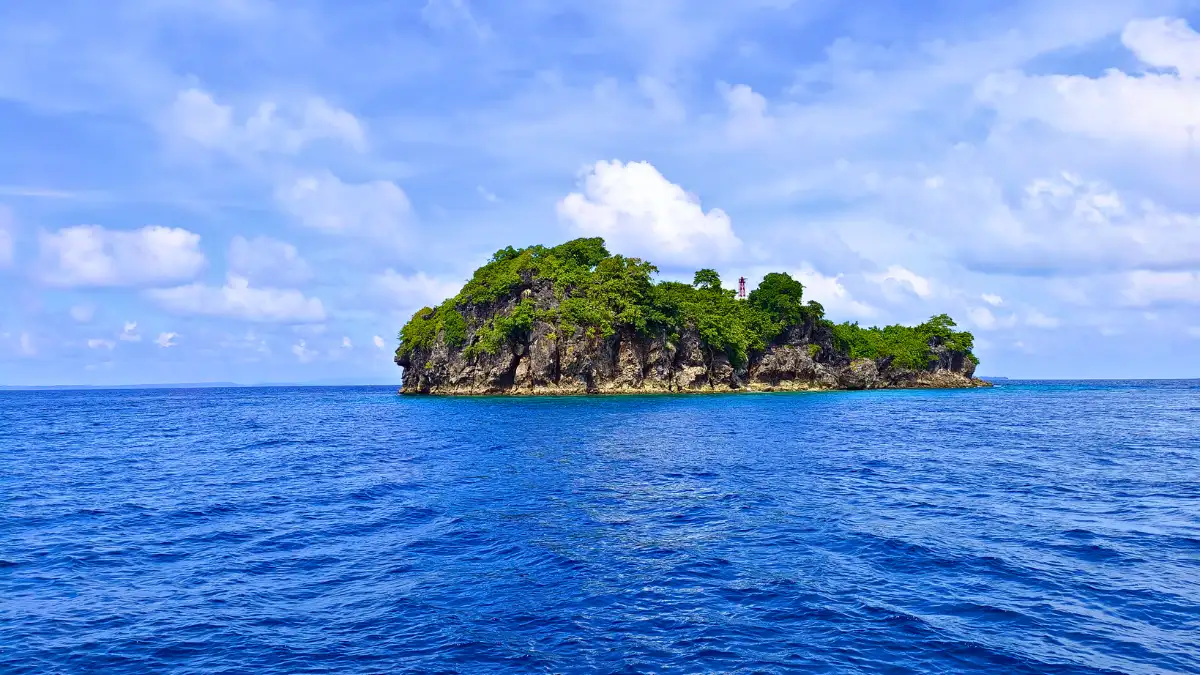
The Button Islands, North, Middle, and South Button, are three spectacular uninhabited islands in the Andaman Sea, famous for their untouched natural beauty and thriving marine life.
Part of the protected Rani Jhansi Marine National Park, these islands boast shallow coral reefs, turquoise waters, and diverse wildlife including blue whales, manta rays, and spotted deer.
Perfect for snorkeling, scuba diving, and peaceful island hopping, the Button Islands offer a serene getaway from busy tourist spots.
In this comprehensive guide, you’ll find essential information about entry fees, best visiting times, nearby attractions, and practical tips to help you plan your perfect Button Islands adventure in the Andamans.
Button Islands At A Glance:
| Category | Details |
|---|---|
| Location | Bay of Bengal, part of Andaman Islands and Ritchie’s Archipelago, within Rani Jhansi Marine National Park |
| Distance from Port Blair | North Button: 90 km north; Middle Button: 60-74 km northeast; South Button: 74 km |
| Travel Time | 2 to 3 hours by boat from Port Blair depending on sea conditions and destination island |
| Best Way to Reach | By boat or ferry from Port Blair harbor, or via Havelock Island for South Button (2-hour motorboat ride) |
| Known For | Vibrant coral reefs, snorkeling, scuba diving, spotted deer, whale watching, dolphins, dugongs, sea turtles, pristine beaches |
| Entry Fee | Middle Button: No fee or ₹50 (Indians)/₹500 (foreigners); South Button: ₹50 gate pass + ₹50 photography fee |
| Beach Timings | 24 hours |
| Best Time to Visit | October to May |
| Activities | Snorkeling, scuba diving, wildlife spotting, birdwatching, reef exploration, island hopping, beach relaxation, photography |
| Facilities | No accommodation, restaurants, or shops; limited/no mobile connectivity; bring all essentials for day trips only |
| Nearby Attractions | Ross and Smith Islands, Havelock Island, Baratang Island, Radhanagar Beach, Elephant Beach, Mahatma Gandhi Marine National Park |
| Stay Options | No overnight stays on Button Islands; accommodation available in Port Blair or Havelock Island |
How to Reach Button Islands?
The Button Islands can only be reached by sea as there is no road or rail connectivity to these remote islands. Port Blair serves as the main starting point for all visitors, and careful planning is essential since these are protected national parks requiring permits and organized transportation.
Starting Your Journey from Port Blair
Before visiting the Button Islands, travelers must first arrive at Veer Savarkar International Airport in Port Blair, the nearest airport to all three Button Islands. The airport is well-connected to major Indian cities including Delhi, Kolkata, and Chennai through regular domestic flights. Port Blair is located approximately 60 to 90 kilometers away from the Button Islands, depending on which specific island you plan to visit.
Distance from Port Blair
North Button Island is situated about 90 kilometers north of Port Blair and is also accessible from Long Island, which is just 16 kilometers away. Middle Button Island lies approximately 60 kilometers northeast of Port Blair according to some sources, though other references place it at 74 kilometers. South Button Island is positioned about 74 kilometers from Port Blair and is located southwest of Havelock Island at a distance of 24 kilometers.
Reaching the Islands by Boat
The only way to reach any of the Button Islands is by charter boat or ferry from Port Blair. The journey typically takes between 2 to 3 hours depending on sea conditions and the specific island destination. Boats depart from Port Blair harbor and travel directly to the designated Button Island.
Visitors can choose between government departmental vessels operated by the Andaman and Nicobar Forest Department or private chartered boats arranged through registered tour operators. Hotels and resorts in Port Blair also organize boat transfers as part of guided tour packages to these islands.
Alternative Route via Havelock Island
For those visiting South Button Island specifically, there is an alternative and often more convenient route through Havelock Island. Regular government and private ferries operate between Port Blair and Havelock Island, covering the distance in approximately 1.5 to 2.5 hours. From Havelock, South Button Island is just a two-hour motorboat ride away, making it easier to access than traveling directly from Port Blair.
The Journey Process
When boats approach the Button Islands, they anchor at designated points offshore because direct shore access is not always possible due to shallow waters and the need to protect coral reefs. From the anchorage point, visitors are transferred to the shore using smaller mechanized dinghies or inflatable boats. This careful approach helps preserve the fragile marine ecosystem while allowing safe passage for tourists.
Once visitors reach the shore, they can explore designated areas of the islands. For those interested in visiting the North Button Lighthouse, there is an additional walk required from the shore to reach the lighthouse, which sits atop the island’s tallest hill at 48 meters elevation.
Button Islands Booking and Permits
Visiting the Button Islands requires advance booking and permits since they are protected national parks. Travelers can book online through the Andaman and Nicobar Forest Department website or the official eTourist portal at andamantourism.gov.in. The booking process requires visitors to register with their arrival and departure details, provide visitor information, and make payment through the official system.
Alternatively, visitors can arrange permits and transportation offline by visiting the Forest Department office in Port Blair or through registered tour operators. Many hotels and resorts in Port Blair and Havelock Island offer complete packages that include permits, boat transportation, and guided tours with expert naturalists.
Button Islands Entry Fees and Charges
Entry fees vary by island and visitor nationality. For Middle Button Island National Park, some sources indicate there is currently no entry fee, while others mention a fee of 50 rupees for Indian nationals and 500 rupees for foreign nationals. Children under 12 years can enter free, though camera fees apply separately for photography.
South Button Island National Park charges 50 rupees for a gate pass and an additional 50 rupees for photography. For those interested in water activities, scuba diving costs 6,600 rupees per dive and snorkeling is priced at 3,500 rupees. North Button Island follows a similar fee structure, though visitors should confirm current rates when making bookings.
Button Islands Operating Hours and Timing
Middle Button Island National Park is officially open from 6:00 AM to 5:00 PM daily, though some sources indicate it may be accessible 24 hours. South Button Island National Park operates from 5:00 AM to 6:00 PM every day. North Button Island is accessible during daytime hours only. Since all three islands are uninhabited with no accommodation facilities, all visits must be completed as day trips with visitors returning to Port Blair or Havelock before evening.
Things to Do at Button Islands
The Button Islands offer exceptional opportunities for adventure and nature exploration, making them premier destinations for marine activities in the Andamans. From underwater adventures to wildlife observation, these pristine islands cater to both thrill-seekers and peaceful nature lovers.
Snorkeling
Snorkeling at the Button Islands is an unforgettable experience, especially at South Button Island which features stunning coral reefs at shallow depths of just 6 feet. The crystal-clear waters offer excellent visibility to observe colorful fish species including snappers, barracuda, trevally, angelfish, and butterflyfish. Marine creatures like sea turtles, manta rays, devil rays, nudibranchs, octopus, and shrimps are commonly spotted. Snorkeling costs around 3,500 rupees and is suitable for beginners with certified instructors providing safety guidance.
Scuba Diving
The Button Islands are renowned as top destinations for scuba diving in the Andamans. South Button Island particularly stands out with its healthy coral reefs hosting abundant marine biodiversity including groupers, sweetlips, leopard sharks, dolphins, dugong, and even blue whales. Middle Button Island also offers excellent diving opportunities to explore vibrant underwater life. Scuba diving costs approximately 6,600 rupees per dive. Both beginners and professional divers can enjoy these experiences with certified instructors ensuring safety and proper guidance throughout.
Wildlife Spotting
Guided treks across the Button Islands provide opportunities to observe rare species in serene natural surroundings. Middle Button Island is particularly famous for spotted deer sightings, along with monitor lizards, water lizards, and Andaman wild pigs. North Button Island is best known for whale watching, where visitors can witness whales surfacing in their natural habitat. The islands’ dense tropical forests and mangroves create perfect habitats for diverse wildlife, making every trek an exciting adventure for nature enthusiasts.
Birdwatching
The Button Islands are excellent destinations for birdwatching enthusiasts. Middle Button Island hosts species like Andaman Drongos, kingfishers, sea eagles, and parakeets that can be observed in their natural forest habitats. South Button Island is home to endemic swiftlets and the magnificent white-bellied sea eagle. The tranquil atmosphere and lush greenery provide perfect conditions for spotting and photographing these beautiful avian species. Early morning hours offer the best opportunities for birdwatching when birds are most active.
Reef Exploration
Exploring the vibrant coral reefs is a highlight of visiting the Button Islands. South Button Island features India’s smallest national park within Rani Jhansi Marine National Park and is renowned for its stunning coral formations. The shallow reefs allow visitors to observe diverse coral species and the marine ecosystems they support. Reef exploration can be combined with snorkeling or diving activities, offering close encounters with the underwater world while maintaining strict conservation guidelines to protect these fragile ecosystems.
Island Hopping
Visitors can enjoy island hopping between North, Middle, and South Button Islands, each offering unique attractions and experiences. This activity allows travelers to explore the distinct characteristics of each island, from North Button’s whale-watching opportunities to Middle Button’s wildlife and South Button’s exceptional diving spots. Island hopping provides a comprehensive experience of the Button Islands’ biodiversity and natural beauty. Tour operators arrange multi-island packages with boat transfers between the islands for convenient exploration.
Beach Relaxation
The Button Islands feature pristine white sandy beaches with crystal-clear turquoise waters, perfect for peaceful relaxation away from crowded tourist spots. South Button Island particularly offers a tranquil atmosphere with coconut trees lining the shore and calm waters ideal for unwinding. The beaches provide stunning photography opportunities with their unspoiled natural beauty. Visitors can enjoy the serene environment, listen to gentle waves, and experience complete digital detox due to limited mobile connectivity, making it perfect for escaping city stress.
Photography
The Button Islands offer exceptional photography opportunities with their untouched natural beauty, vibrant marine life, and stunning landscapes. From underwater photography during diving and snorkeling to capturing wildlife, birds, and scenic beaches, every corner presents picture-perfect moments. Photography fees of 50 rupees apply at South Button Island. The crystal-clear waters, lush greenery, and diverse wildlife create ideal conditions for both amateur and professional photographers to capture memorable images of these ecological gems.
Best Time to Visit Button Islands
The ideal time to visit the Button Islands is from October to April when weather conditions are pleasant with calm seas and clear skies. Avoid the monsoon season from May to September due to heavy rainfall and rough sea conditions that may disrupt boat services.
Suggested Itinerary for Button Islands
Planning a well-organized itinerary ensures you make the most of your Button Islands experience while accommodating travel time and activity schedules.
Day Trip from Port Blair
Start your journey with an early morning departure from Port Blair harbor around 6:00 to 7:00 AM. The boat journey takes approximately 2 to 3 hours to reach your chosen Button Island.
Upon arrival, spend 4 to 5 hours exploring the island through activities like snorkeling, scuba diving, wildlife spotting, and birdwatching.
Middle Button Island is perfect for seeing spotted deer and enjoying guided treks, while South Button Island offers exceptional coral reef exploration. North Button Island provides excellent whale-watching opportunities.
The return journey requires another 2 to 3 hours, ensuring you reach Port Blair by evening around 5:00 to 6:00 PM.
Since no overnight accommodation exists on these uninhabited islands, returning the same day is mandatory. Bring all essentials including water, snacks, sunscreen, towels, and extra clothes for a comfortable day trip experience.
Flora & Fauna of Button Islands
The Button Islands showcase remarkable biodiversity with dense tropical forests, mangroves, and evergreen vegetation dominating the landscape. Various tropical trees, palms, and bamboo species thrive across the islands.
Wildlife includes spotted deer, monitor lizards, water lizards, Andaman wild pigs, and diverse marine creatures like dugongs, dolphins, blue whales, sea turtles, manta rays, and devil rays.
Birdlife features Andaman Drongos, kingfishers, sea eagles, parakeets, endemic swiftlets, and white-bellied sea eagles.
The shallow-water coral reefs support abundant fish species including snappers, barracuda, trevally, groupers, angelfish, and butterflyfish, creating a thriving marine ecosystem.

Travel Tips & Important Information
Write travel tips, important things to remember for travellers, should cover these topics, each within 1-2 sentences:
Visiting the Button Islands requires careful preparation and awareness of specific guidelines to ensure a safe, enjoyable, and eco-friendly experience.
Book Permits in Advance
Permits are mandatory for visiting the Button Islands as they are protected national parks. Book at least 3 to 5 days before your visit through the Andaman and Nicobar Forest Department website or eTourist portal to avoid last-minute disappointments.
Choose Guided Tours
Guided tours with certified instructors and expert naturalists are strongly recommended. They enhance your experience, ensure safety during water activities, help you spot rare wildlife, and guarantee compliance with strict ecological guidelines protecting these fragile ecosystems.
Pack All Essentials
Since the islands are uninhabited with no shops or facilities, bring everything you need including sunscreen, hats, sufficient drinking water, towels, extra clothes, waterproof bags, and a basic medicine kit for emergencies during your day trip.
No Overnight Stays
All Button Islands lack accommodation, restaurants, and shops. Plan only day trips and ensure you return to Port Blair or Havelock Island before evening for overnight stays. Complete your activities within the 4 to 5 hour window available.
Respect Conservation Rules
Strictly follow ecological guidelines to protect the fragile marine environment. No littering, no wildlife disturbance, no fishing, and no touching coral reefs are allowed. Violations can result in penalties and harm these precious ecosystems permanently.
Prepare for Limited Connectivity
Expect weak or no mobile network coverage on the Button Islands. Inform family and friends about your travel plans beforehand. Embrace the digital detox experience and focus on connecting with nature during your visit.
Check Weather Conditions
Always verify weather forecasts and sea conditions before traveling. Avoid visiting during monsoon season from May to October when heavy rainfall and rough seas can disrupt boat services or make journeys unsafe and uncomfortable.
Wear Appropriate Clothing
Bring lightweight, comfortable clothing suitable for tropical weather with temperatures averaging 20 to 30 degrees Celsius.
Include swimwear for water activities, sun-protective clothing, waterproof footwear, and quick-dry fabrics for convenience throughout the day.
Carry Sufficient Water
Staying hydrated is crucial in the humid tropical climate. Bring adequate drinking water for the entire day as no refreshment facilities exist on the islands. Dehydration can quickly occur during outdoor activities and water sports.
Follow Park Timings
Adhere to official operating hours for each island. Middle Button is open from 6:00 AM to 5:00 PM, while South Button operates from 5:00 AM to 6:00 PM. Plan your departure and return accordingly to avoid inconvenience.
Keep Camera Fees Ready
Separate photography fees apply at the Button Islands. South Button charges 50 rupees for photography. Carry sufficient cash as card payment facilities may not be available at these remote locations for entry and activity fees.
Travel During Dry Season
Plan your visit between November and April for the best experience. This period offers pleasant weather, calm seas, excellent visibility for underwater activities, and reliable boat services ensuring smooth travel to and from the islands.
Hire Local Tour Operators
Local hotels, resorts, and registered tour operators in Port Blair and Havelock arrange complete packages including permits, boat transportation, equipment rental, and guided services. They provide expertise and handle logistics efficiently for hassle-free visits.
Bring Waterproof Protection
Protect your valuables, electronics, and documents using waterproof bags or pouches. The boat journey and water activities can splash or soak belongings. Keep important items like permits, identification, and cash safely protected from moisture.
Plan Activities Wisely
With limited time on the islands, prioritize activities based on your interests. Snorkeling and scuba diving require 2 to 3 hours, wildlife spotting needs time for trekking, and beach relaxation deserves dedicated moments for the complete experience.
Understand Activity Costs
Budget appropriately for activities and fees. Snorkeling costs around 3,500 rupees, scuba diving approximately 6,600 rupees per dive, plus gate passes of 50 rupees and photography fees. Confirm all charges when booking to avoid surprises.
Travel Light But Prepared
Carry only necessary items to avoid burden during boat transfers and shore landings. However, ensure you have all essentials like sun protection, first aid supplies, personal medications, and sufficient food and water for the day.
We’re Official Ferry Ticket Partner
We are an MSME listed local travel agency in Port Blair, South Andaman, providing fast and convenient ferry ticket booking through Andaman Ferry Ticket. Our unique guarantee ensures confirmed ferry tickets within minutes, coupled with a straightforward cancellation and refund policy.